Skip to content

Our Tech

Why Neuroscience?

Up to 95% of human decisions are made non-consciously – with much of our thinking, judgment, and behaviour happening automatically and outside of conscious awareness. Our neuroscience-based approach reveals these hidden insights behind decision making, helping businesses create more effective strategies.

Our Integrated Approach

All of our studies are carefully designed, run and analysed by a team of expert psychologists, neuroscientists and marketing researchers. We combine brain-monitoring, biometrics and eye-tracking to provide a complete picture of the human response to an experience, delivering insights traditional methods can’t match.
Brain Activity

Electroencephalography (EEG)

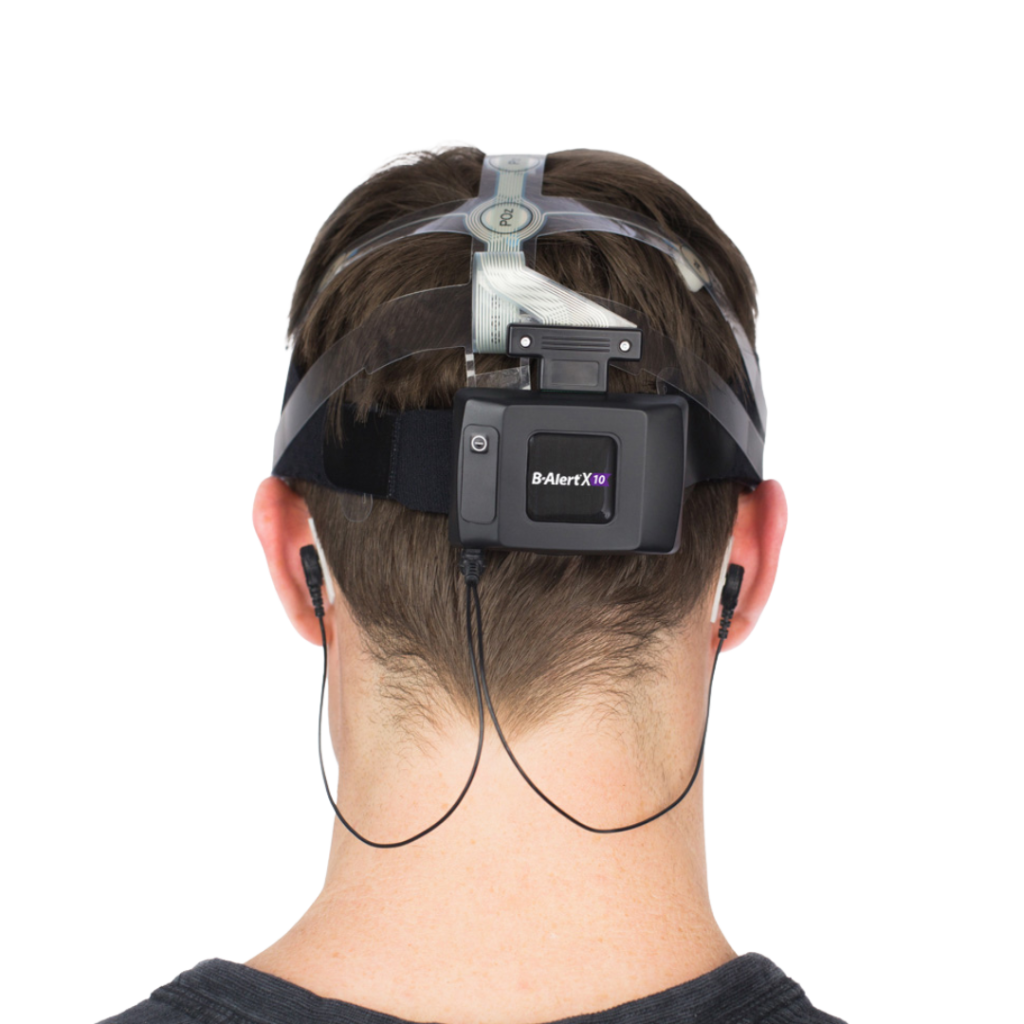
Electroencephalography (EEG) measures the electrical activity of the brain by detecting voltage changes at the surface of the scalp. By analysing these signals, we can identify patterns of neural activity and make inferences about cognitive processes such as engagement, cognitive effort and approach motivation, providing real-time insights into how people respond to different stimuli and experiences.

Near-Infrared Spectroscopy (NIRS)

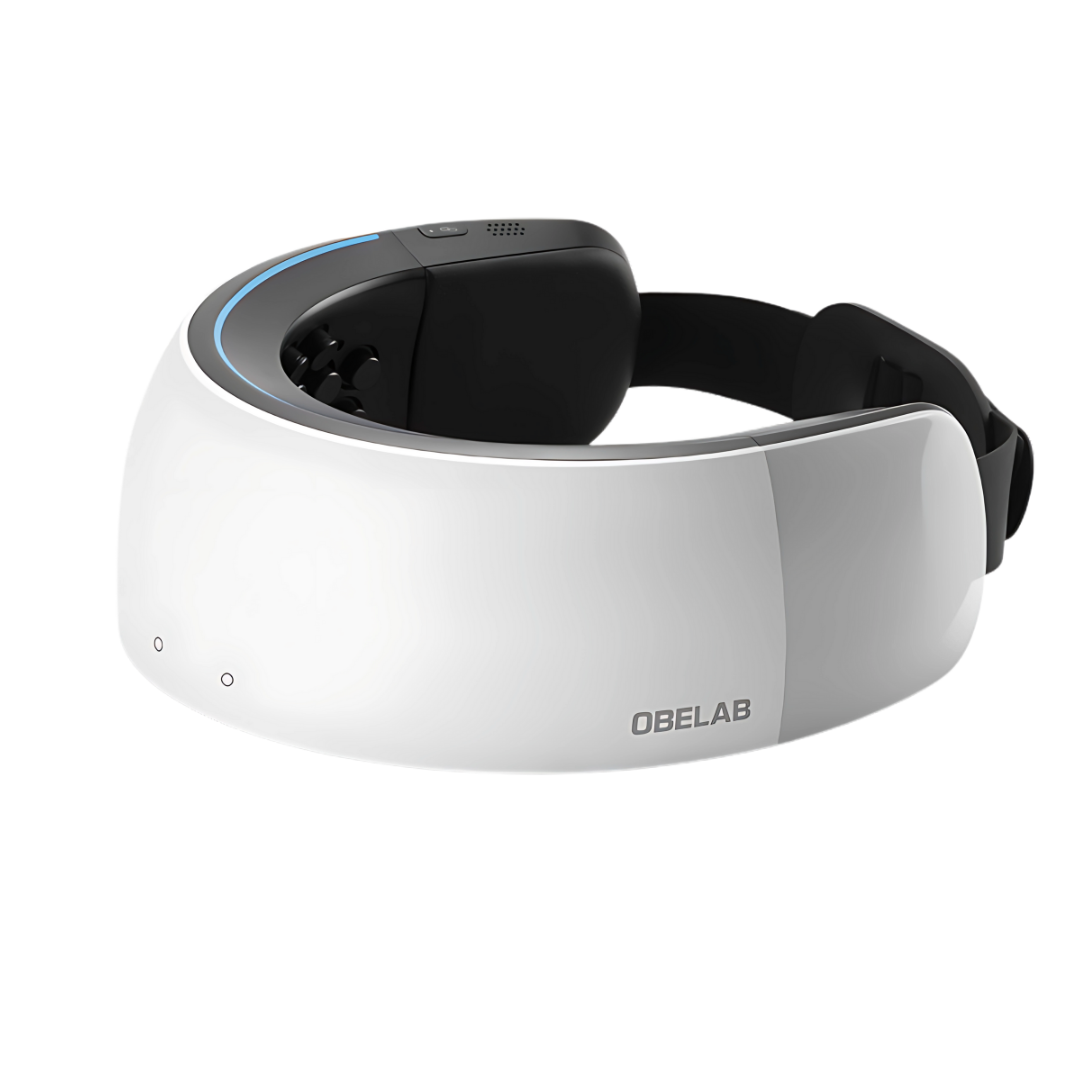
Near-Infrared Spectroscopy (NIRS) is a brain imaging technique that measures regional blood flow in the brain by using specialised medical LEDs to detect changes in blood oxygenation. As areas of the brain become more active during cognitive processing, blood flow increases, and NIRS helps track this activation.

It is most commonly used to assess activity in the frontal lobes, which are involved in key cognitive functions. This technology allows us to study attention, memory and decision making – cognitive processes that contribute to understanding behavioural intent. 

Visual Attention

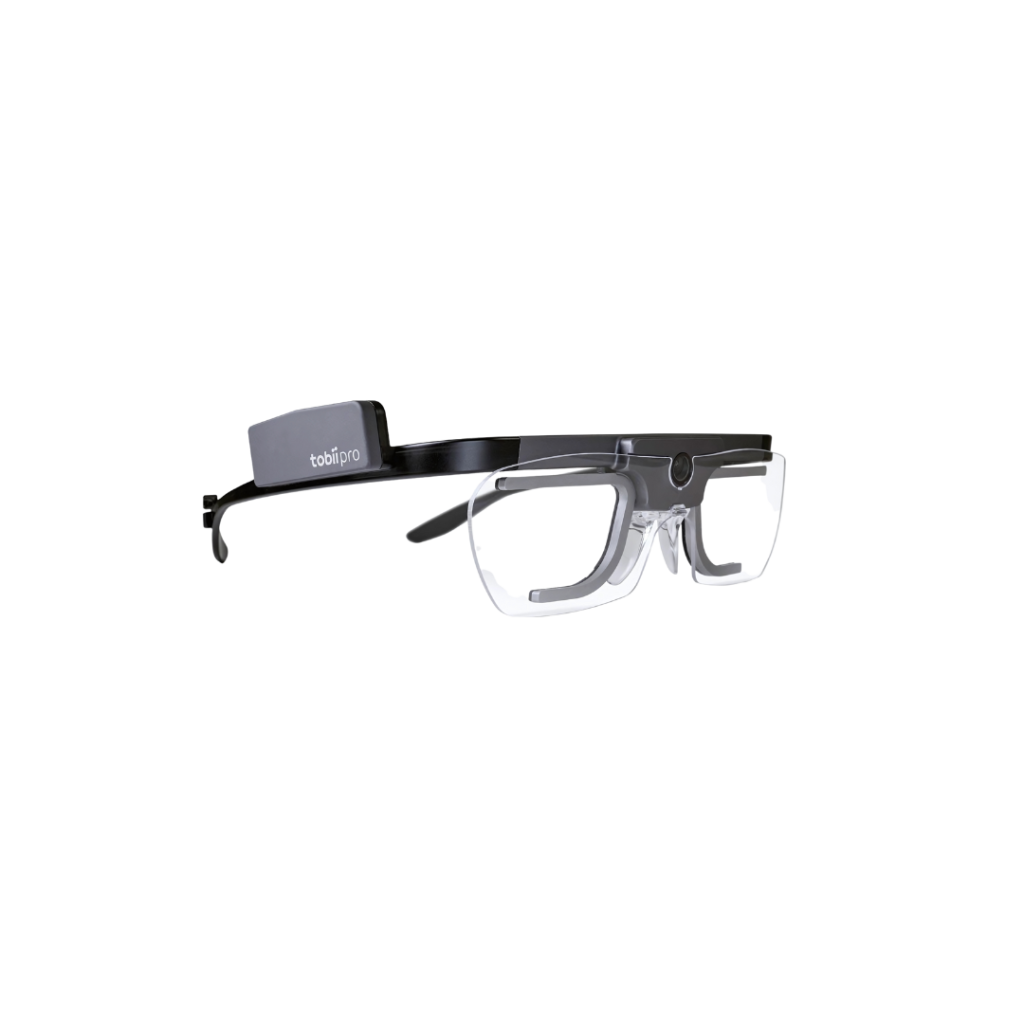
Eye-Tracking

We use eye-tracking to record eye gaze and pupil data, allowing us to measure visual attention and make inferences about cognitive load – the mental effort required to process information. These insights help us understand which aspects of an experience are more likely to be noticed and remembered, and how this may influence human behaviour. 

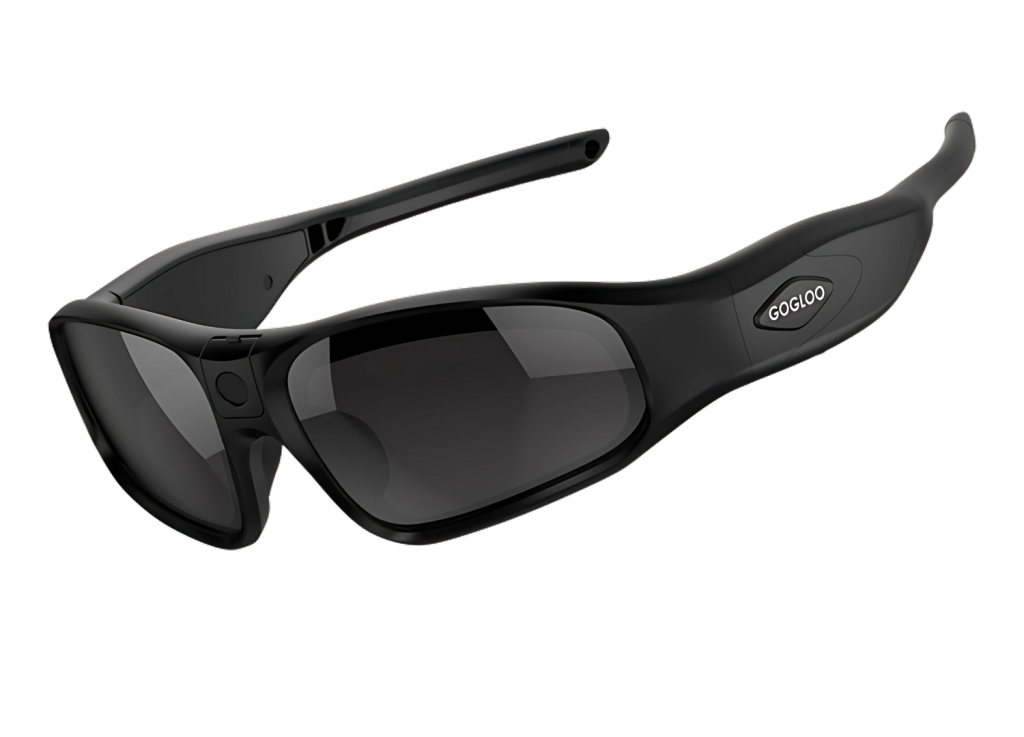
FOV Glasses

Field-of-View (FOV) glasses capture the visual perspective in real time, recording the environment from the wearer’s point of view as they move through it. These recordings are analysed using computer vision and AI algorithms to identify relevant stimuli, spaces and interactions. FOV data provides valuable insights into how people experience and engage with their surroundings in real-world contexts, enabling a deeper understanding of attention, perception and behaviour. 

Virtual Reality

Our Virtual Reality (VR) headsets come equipped with built-in eye-tracking, allowing us to see exactly where people look and how they move through immersive 3D environments, like retail stores or product displays. This helps us understand how store layouts, product placements and signage capture attention. This technology can also be used to test real-world settings through 360-degree video, providing insights into how people engage with their surroundings. 

Physiological Responses

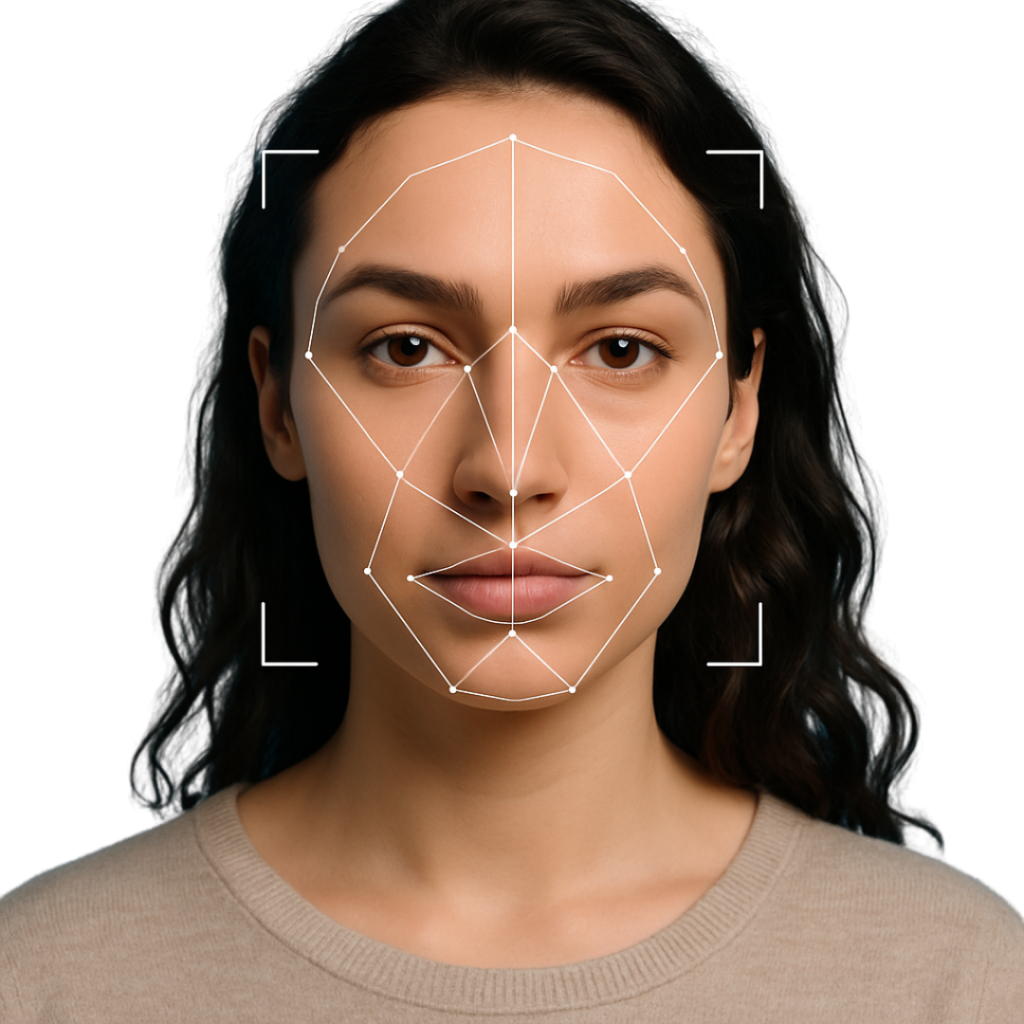
Facial Coding

Facial expressions are universal and can reveal immediate, instinctive emotional responses. Our facial coding software automatically analyses the six basic facial expressions – happiness, sadness, fear, anger, surprise, and disgust – as well as neutral and contempt. This enables us to infer emotional reactions, helping guide decisions around product design, advertising and customer experiences. 

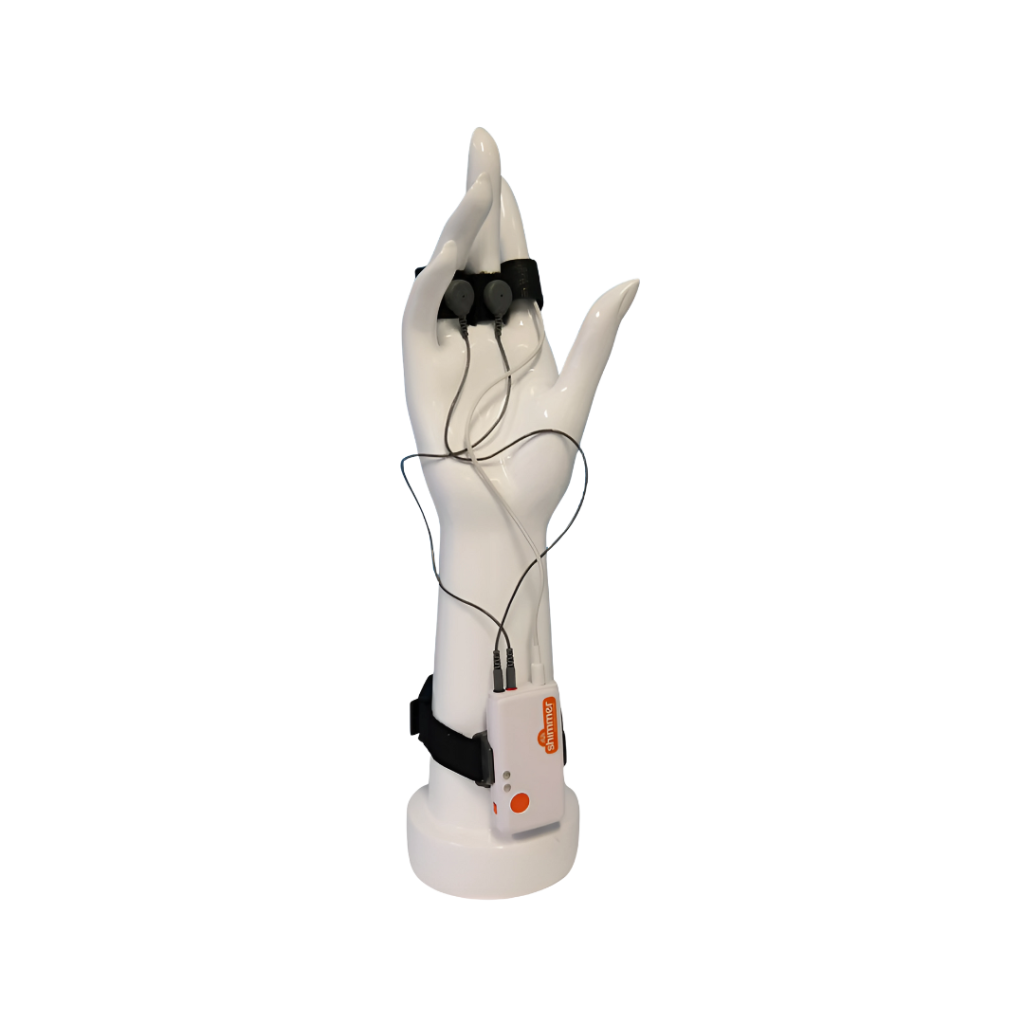
Galvanic Skin Response​

Our Galvanic Skin Response (GSR) sensors are wearable, wireless devices that measure electrodermal activity – changes in the skin’s electrical conductivity. These changes are linked to emotional arousal and can increase during states like excitement, attention or anxiety, and decrease during more relaxed and disengaged states, like boredom. 

Facial Electromyography​

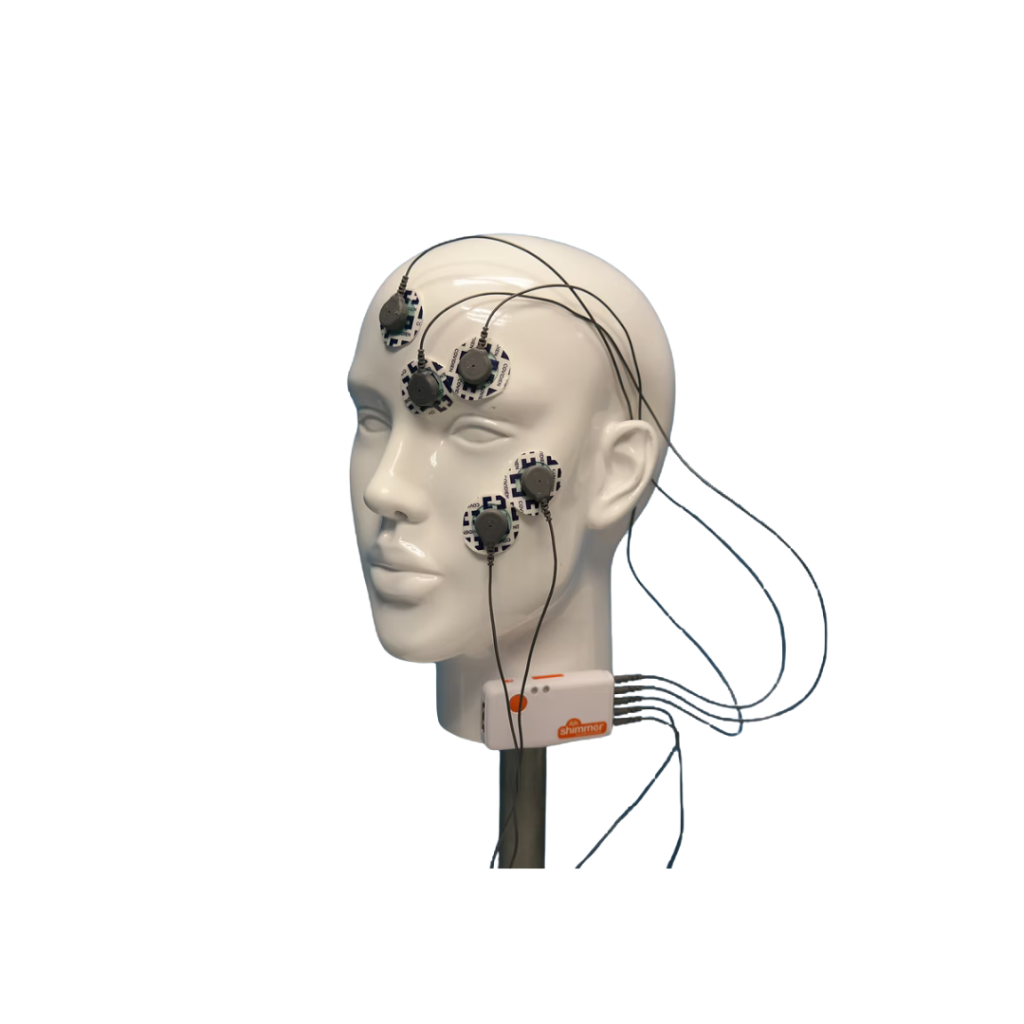
Facial Electromyography (fEMG): Records the electrical activity associated with very minute muscle contractions through nerve impulses of the face. fEMG is a precise and sensitive method used to measure emotional expression and is used as a tool for primarily measuring emotional valence (positive vs. negative emotional states) in response to an experience.